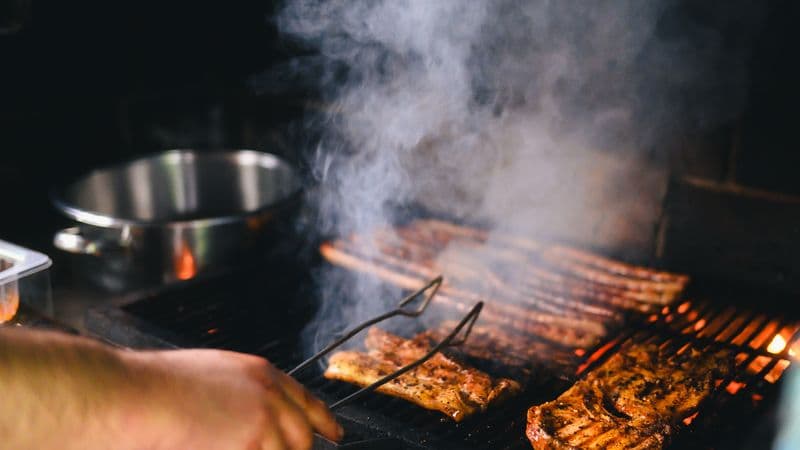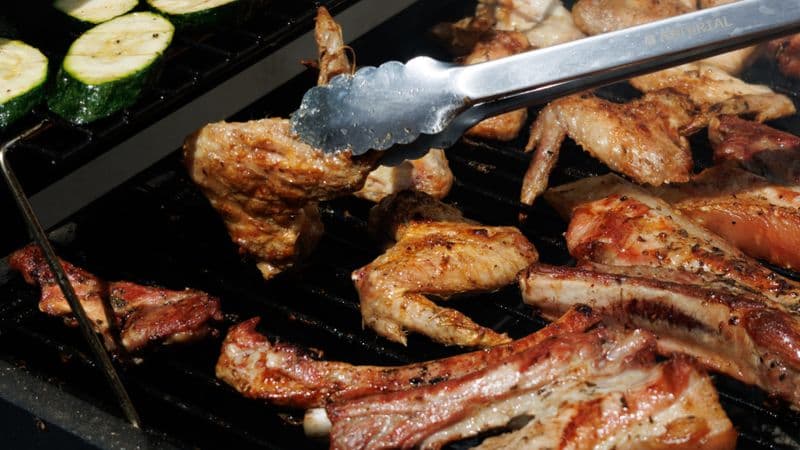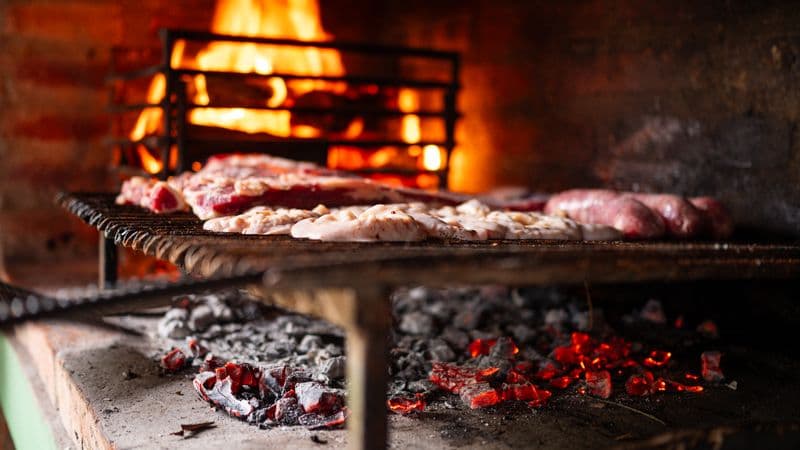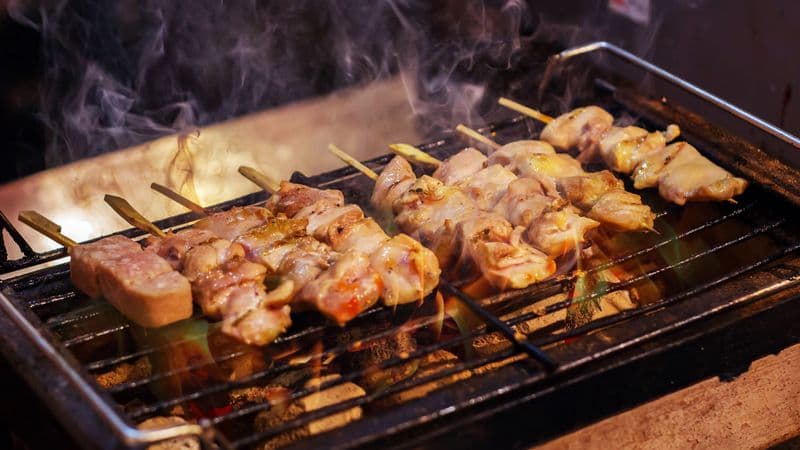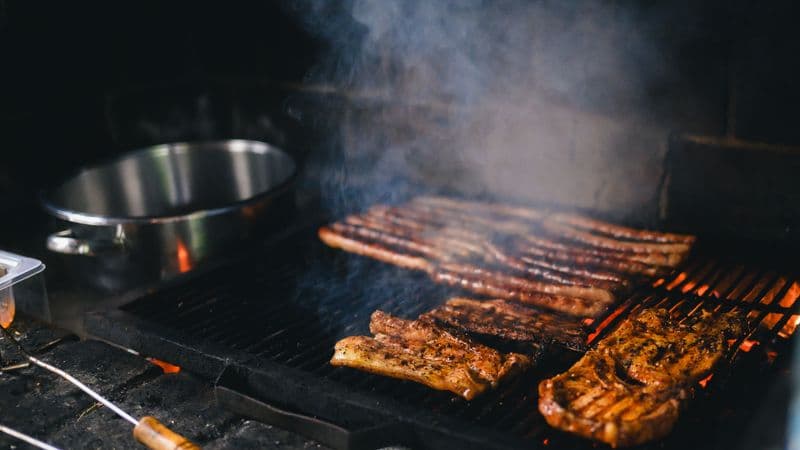
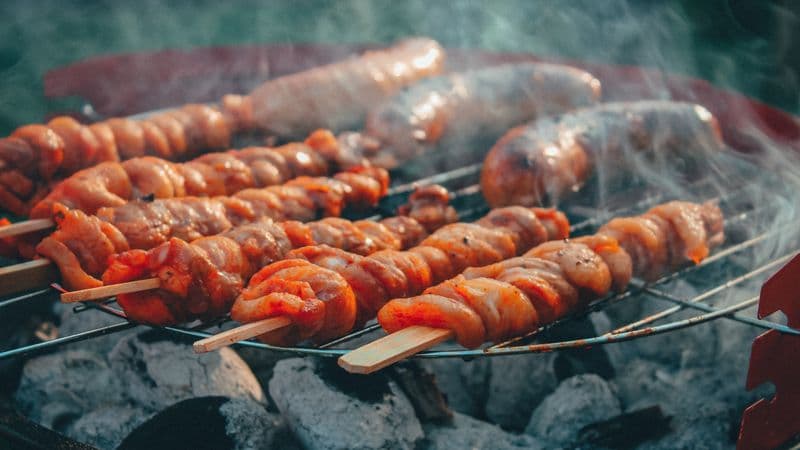
Charcoal smoking has a reputation for scorched briskets and 2 a.m. fire tending, and that reputation comes almost entirely from one style of pit: the cheap offset. Pick the right design instead and the best charcoal smoker for beginners is genuinely forgiving — it holds temperature for hours, shrugs off mistakes, and produces the smoke flavor pellet grills only approximate. Here are the three smokers owner communities keep steering first-timers toward, plus the sale windows that typically knock $50–150 off.
Why bullet and gravity smokers beat offsets for a first smoker
Walk into a big-box store and the cheapest smokers on the floor are offsets — the classic sideways barrel with a firebox bolted to one end. They look the part, and at $200 they're a trap. Thin steel sheds heat, leaky doors wreck airflow, and the design demands fresh fuel and constant adjustment, which is why so many first briskets die on cheap offsets. The consensus across barbecue forums is blunt: a good offset starts around $1,000, and everything below that is a fight.
Bullet smokers solve the problem with geometry. The fire sits at the bottom, a water pan above it absorbs and re-radiates heat, and the food sits on grates above that — the whole stack acts as a buffer, so temperature swings flatten out on their own. Gravity-fed smokers solve it with electronics: a vertical hopper drops charcoal into the fire as it burns, and a thermostat-driven fan holds whatever temperature you punch in. Either way, you spend your first cook learning the meat, not fighting the fire.
The best charcoal smoker for beginners: 3 picks compared
These three cover the realistic beginner paths — the proven default, the automated route, and the budget kamado. All of them show up constantly in "what should my first smoker be" threads, and for good reason.
| Pick | Best for | Why it works |
|---|---|---|
| Weber Smokey Mountain 18-inch | Most beginners | Self-stabilizing bullet design, huge owner community |
| Masterbuilt Gravity Series 800 | Set-and-forget cooks | Digital fan holds the temp; hopper feeds the fire for hours |
| Char-Griller Akorn Kamado | Budget buyers | Insulated steel kamado that sips charcoal, far under ceramic prices |
- Best for
- Most beginners
- Why it works
- Self-stabilizing bullet design, huge owner community
- Best for
- Set-and-forget cooks
- Why it works
- Digital fan holds the temp; hopper feeds the fire for hours
- Best for
- Budget buyers
- Why it works
- Insulated steel kamado that sips charcoal, far under ceramic prices
Best overall: Weber Smokey Mountain Cooker 18-Inch
The Smokey Mountain has been in production since the early 1980s, and the design barely changes because it barely needs to. Light a partial chimney of coals, pour them over unlit briquettes, fill the water pan, and the 18-inch settles into the 225–275°F zone and stays there for six-plus hours with only occasional vent nudges. Two grates handle a pork butt and a rack of ribs at once, and the porcelain-enameled body is why decades-old units still turn up at competitions. The other advantage is the community: whatever goes wrong on your first cook, thousands of owners have already documented the fix. First-cook tip: leave the top vent fully open and steer temperature with the bottom vents only.
Set-and-forget pick: Masterbuilt Gravity Series 800
The Gravity Series 800 is for anyone who almost bought a pellet grill but wanted real charcoal flavor. Load the vertical hopper with briquettes or lump, set a temperature on the digital controller, and a fan manages the fire — owners routinely report it holding within a few degrees for hours, with app monitoring so you can watch a brisket from the couch. Because it burns charcoal, it also climbs hot enough to sear, and the 800 adds a griddle insert for smash burgers between smoke sessions. The honest trade-offs: more parts that can eventually fail than a WSM, a bigger footprint, and electronics living near fire, so assemble it carefully and keep the hopper lid shut. As training wheels that never need to come off, it's excellent.
Budget pick: Char-Griller Akorn Kamado
Kamado cooking usually means $900-plus ceramic, which is what makes the Akorn interesting: double-walled insulated steel that behaves like a kamado at a fraction of the price and weight. That insulation is the beginner benefit — once dialed in, it holds 225–250°F for hours on a surprisingly small load of lump charcoal, and owner threads are full of overnight cooks on a single basket. It also grills hot for steaks when you're not smoking. The compromises are real: the felt gaskets and ash pan seal need occasional attention, the steel dents where ceramic wouldn't, and it's so efficient that overshooting your temperature is the classic rookie mistake. First-cook tip: start closing the vents about 50 degrees before your target, because an insulated body coasts upward.
Make your first cook a pork butt
Common beginner mistakes (and how to dodge them)
Chasing the dial. 225°F is a zone, not a contract — anywhere from 225 to 275°F cooks great barbecue. Constantly opening vents to correct a ten-degree drift causes bigger swings than leaving the smoker alone.
Too much wood. Two or three fist-sized chunks flavor an entire pork butt — thin, faintly blue smoke is the goal, not white billows.
Cooking to the clock. Meat is done at an internal temperature, not an hour count. A basic leave-in probe thermometer costs less than the brisket it saves.
When charcoal smokers go on sale
Charcoal smokers follow the outdoor-cooking calendar. Demand peaks from Memorial Day through July 4th, so May and June are full-price months. The pattern flips at Labor Day, when the season winds down and $50–100 off name-brand smokers is a typical promotion. Then comes the real window: September-to-October end-of-summer clearance, when big-box stores clear floor space for holiday stock and markdowns of $50–150 show up on whatever's left, floor models included. Black Friday is a second bite — thinner than pellet-grill deals, but Masterbuilt and Char-Griller units appear regularly. These are typical historical patterns, not guarantees.
| Window | Typical move | Verdict |
|---|---|---|
| May–June (peak season) | Full price, demand at its highest | Wait |
| July 4th sales | Bundles and accessory deals, small cuts | Maybe |
| Labor Day (early September) | $50–100 off name brands | Buy |
| End-of-summer clearance (Sept–Oct) | $50–150 off, floor models and outgoing versions | Best |
| Black Friday / Cyber Monday | Second-chance pricing, thinner selection | Buy |
- Typical move
- Full price, demand at its highest
- Verdict
- Wait
- Typical move
- Bundles and accessory deals, small cuts
- Verdict
- Maybe
- Typical move
- $50–100 off name brands
- Verdict
- Buy
- Typical move
- $50–150 off, floor models and outgoing versions
- Verdict
- Best
- Typical move
- Second-chance pricing, thinner selection
- Verdict
- Buy
Ranges reflect typical historical retail patterns on charcoal smokers. Individual deals vary by store and region.
Clearance is a lottery, not a schedule
The verdict
The Weber Smokey Mountain 18-inch is the best charcoal smoker for beginners — forgiving enough for a first cook, proven enough to still be your smoker in twenty years. Choose the Masterbuilt Gravity Series 800 to set a temperature and walk away, or the Char-Griller Akorn if the budget is tight. Whichever you pick, buy at Labor Day or in the fall clearance window, not at June's full-price peak.
If you can wait for the markdowns, our guide to when grills go on clearance maps the season in detail, and the end-of-summer gear clearance roundup covers what else drops alongside smokers. Still torn between charcoal and automation? See our picks for the best pellet smokers under $500 before you decide.