

If you're building a home gym in a spare bedroom, a garage corner, or a studio apartment, the adjustable dumbbells vs fixed weights question is usually the first real spending decision you'll make. Dumbbells are the backbone of almost every strength program, but the two formats solve the same problem in very different ways — one trades a little speed and durability for a huge saving in space and money, the other does the reverse. Here's a clear, honest framework for picking the right one for your room, your budget, and how you actually train.
Adjustable dumbbells vs. fixed weights at a glance
Before we dig into each factor, here's the head-to-head. The badges mark which format tends to win a given category for a typical home-gym buyer — but "wins" on paper doesn't always mean "right for you," so read the sections below for the nuance.
| Factor | Adjustable dumbbells | Fixed dumbbells |
|---|---|---|
| Space | Wins One pair covers the whole range | A full 5–50 lb set plus a rack eats a corner |
| Upfront cost | Wins ~$250–$450 for 5–52.5 lb | ~$600–$900 for the same range plus a stand |
| Cost per lb | Higher per pair, cheaper overall | Cheaper per pair ~$1.50–$2.50/lb |
| Durability | Moving parts can wear or jam | Wins Nearly indestructible |
| Weight-change speed | 2–5 seconds per change | Wins Instant grab-and-go |
| Feel/balance | Bulkier handle, longer at low weights | Wins Balanced, natural feel |
| Increments | Wins 2.5–5 lb micro-jumps built in | Limited to the pairs you actually own |
| Best for | Apartments, tight budgets, small spaces | Dedicated gyms, heavy lifters, drop sets |
- Adjustable dumbbells
- Wins One pair covers the whole range
- Fixed dumbbells
- A full 5–50 lb set plus a rack eats a corner
- Adjustable dumbbells
- Wins ~$250–$450 for 5–52.5 lb
- Fixed dumbbells
- ~$600–$900 for the same range plus a stand
- Adjustable dumbbells
- Higher per pair, cheaper overall
- Fixed dumbbells
- Cheaper per pair ~$1.50–$2.50/lb
- Adjustable dumbbells
- Moving parts can wear or jam
- Fixed dumbbells
- Wins Nearly indestructible
- Adjustable dumbbells
- 2–5 seconds per change
- Fixed dumbbells
- Wins Instant grab-and-go
- Adjustable dumbbells
- Bulkier handle, longer at low weights
- Fixed dumbbells
- Wins Balanced, natural feel
- Adjustable dumbbells
- Wins 2.5–5 lb micro-jumps built in
- Fixed dumbbells
- Limited to the pairs you actually own
- Adjustable dumbbells
- Apartments, tight budgets, small spaces
- Fixed dumbbells
- Dedicated gyms, heavy lifters, drop sets
Prices are typical U.S. ranges for a 5–52.5 lb adjustable pair vs. an equivalent fixed set with a stand. Individual deals vary by brand and season.
Space: the biggest difference
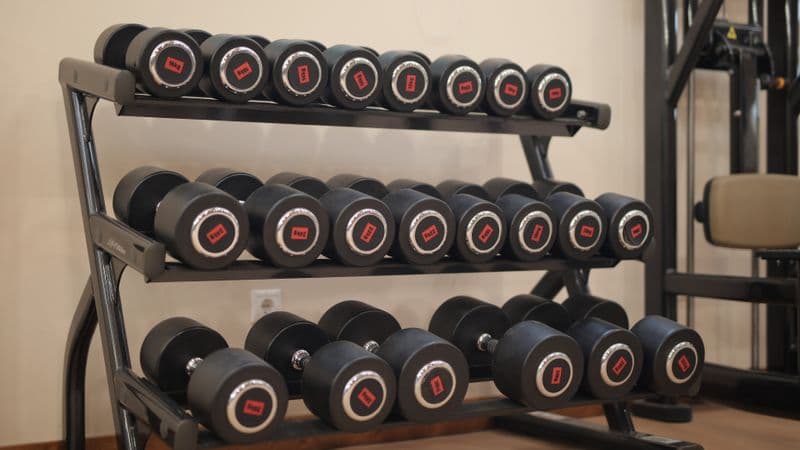
For the majority of home gyms, space settles the argument before cost ever comes up. A pair of dial-style adjustable dumbbells that runs from 5 to 52.5 pounds packs roughly fifteen pairs of fixed dumbbells into two compact blocks and a cradle. That footprint is about the size of a small end table. The fixed-weight equivalent is a full A-frame rack a few feet wide and deep, loaded with a dozen-plus pairs, that you cannot easily move once it's set up.
If you train in a shared room, a bedroom, or a corner of the living room, adjustables let you tuck the whole strength half of your gym out of sight. That single advantage is why they dominate apartment setups. Fixed dumbbells only make sense on space if you have a garage or a dedicated room where a permanent rack isn't competing with anything else — in which case a rack you never have to fiddle with becomes a genuine convenience rather than a burden.
Measure before you buy
Cost: what you actually pay
The sticker price of a single adjustable pair looks high next to one cheap fixed dumbbell, and that trips up a lot of first-time buyers. The honest comparison is total cost for the same range. To cover 5 to 50 pounds in fixed dumbbells — the range most home lifters actually use — you're buying ten or more pairs plus a rack to hold them, which typically lands between $600 and $900. A single 5-to-52.5-pound adjustable pair usually runs $250 to $450.
So for a wide range, adjustables are far cheaper up front, often by half. The trade-off hides in the per-pound math: buy just one fixed pair — say a 20-pound set for goblet squats and rows — and it's cheaper than any adjustable. Fixed weights win when you only need a couple of specific loads; adjustables win the moment you want the whole ladder of weights that progressive training demands.
Buy the range, not the pair
Durability and reliability
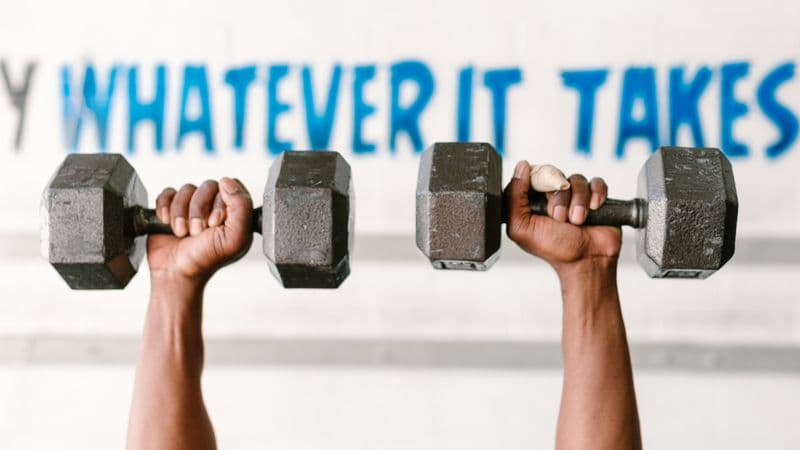
This is where fixed weights earn their keep. A cast-iron or rubber-hex dumbbell is a solid lump of metal with nothing to break. You can drop it, stack it, leave it in a damp garage for a decade, and it still works exactly as it did on day one. For lifters who go heavy, train hard, and occasionally need to bail out of a set, that indestructibility is worth real money.
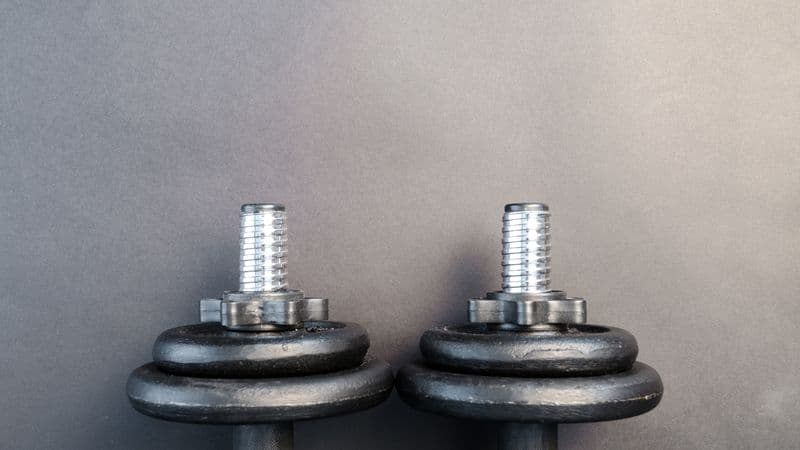
Adjustable dumbbells carry a mechanism — a dial, a pin, or a selector — that locks the chosen plates onto the handle and leaves the rest in the cradle. That mechanism is clever and, in good sets, reliable for years of normal use. But it is also the weak point. Drop a loaded adjustable on a hard floor and you can bend a plate, crack the housing, or jam the selector. Change the weight while the dumbbell is off its cradle and you risk leaving plates behind mid-rep. None of this is common with careful use, but it means adjustables ask for a habit fixed weights never do: set down gently, adjust on the cradle, and give the mechanism a wipe now and then.
Adjustables and dropping don’t mix
Speed and workout feel
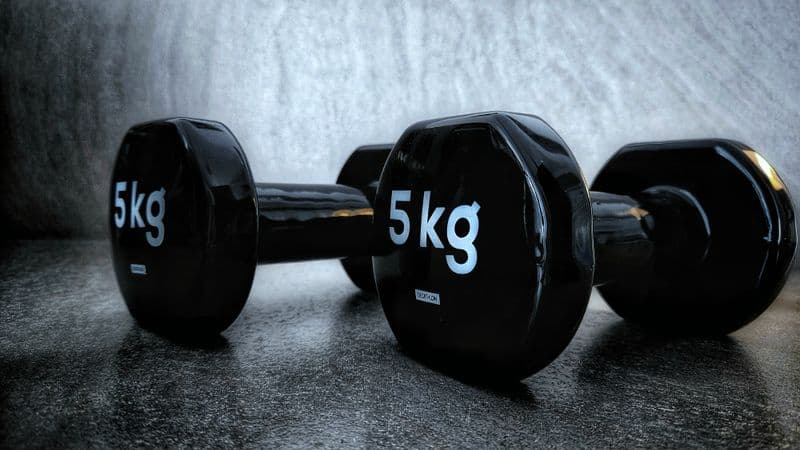
Fixed dumbbells are grab-and-go. You pick up the pair you want and start; there is zero transition time. That makes them the clear winner for drop sets (where you strip weight rep after rep), supersets, and any circuit that hops between loads. In a busy metabolic session, the seconds you save not adjusting add up, and the pace stays high.
Adjustable dumbbells take two to five seconds to change — a quick twist of a dial or a move of a pin. For straight sets with rest between them, that delay is invisible; you're resting anyway. It only bites during rapid-fire drop sets, where a fixed setup keeps you moving and an adjustable forces a pause. Feel is the other difference. A quality adjustable is balanced and comfortable, but the handle is thicker and the block longer than a compact fixed dumbbell, so heavy pressing and deep, close-in movements can feel slightly more awkward. Most people adapt in a session or two; a few never love it.
Who should buy which
Match the format to your space, budget, and training style rather than to a blanket "best." Three profiles cover most buyers:
- Small apartment or tight budget → adjustable. If floor space is scarce or you want the widest weight range for the least money, adjustables are the obvious call. One purchase, one footprint, a full ladder of loads.
- Dedicated gym room or serious lifter → fixed. With the room for a rack and the budget to fill it, fixed dumbbells give you speed, durability, and a better feel that pay off over years of heavy, frequent training.
- Most people → a hybrid. Buy an adjustable pair for the full range, then add one or two fixed pairs at the weights you reach for most — often 20s and 30s — for fast, abuse-proof warm-ups, carries, and drop sets. You get the best of both without buying a whole rack.
Best adjustable dumbbells to consider
If you land on adjustables, the market splits into two broad designs, and the right one depends on how you like a dumbbell to feel in your hand. Both are solid choices — this is about fit, not a winner.
Dial-style sets (the fastest to adjust)
Dial-style dumbbells — the round-plate sets you twist to select a weight — are the friendly default for most home lifters. You spin a dial on each end, lift the handle out of the cradle, and the unselected plates stay behind. They adjust in a single motion, use small 2.5-to-5-pound jumps that are great for steady progress, and keep a fairly traditional dumbbell shape. The trade-offs are length at low weights and a housing that doesn't love being dropped.
Dial-Style Adjustable Dumbbells (5–52.5 lb pair)
Twist-to-select design covers roughly fifteen pairs of fixed dumbbells with small increments and the quickest weight changes — the easiest on-ramp for a new home gym.
Selectorized and block-style sets (the most compact)
Block-style selectorized sets — PowerBlock-style cages where you move a pin to lock in a weight — trade the classic round shape for a rectangular block that is shorter and more compact than a dial set at the same load. Fans love how tucked-in and stable they feel, that they often expand to higher weights with add-on kits, and that the pin mechanism is simple and tough. The catch is the unfamiliar shape, which takes a workout or two to get used to. If you want the smallest footprint and room to grow, this is the style to look at.
Premium Selectorized Adjustable Dumbbell Set
A PowerBlock-style block design with a simple pin selector, an expandable weight range, and the smallest footprint of any adjustable format — built for lifters who plan to progress.
Whichever design you prefer, compare current pricing before you commit — adjustables move a lot on sale, and a quick look at adjustable dumbbell listings tells you whether today is a good day to buy or a good day to wait.
When to buy for the best price
Adjustable dumbbells follow the same discount rhythm as the rest of home-fitness gear, so timing your purchase can knock a meaningful chunk off. The two deepest windows are Labor Day, when retailers clear summer fitness stock, and Black Friday and Cyber Monday, the single best stretch of the year for strength equipment. January's resolution sales are a solid third, though popular sets sell out fast. Outside those windows, prices on quality adjustables are fairly sticky, so there's little reward for buying in, say, March.
Set a target, then wait for the window
If you're buying more than dumbbells, plan the whole purchase around these events. A Compare adjustable dumbbell prices check against past-sale levels is the quickest way to know whether a listed "deal" is actually a deal.
The verdict
In the adjustable dumbbells vs fixed weights matchup, adjustables are the right call for most home gyms: they save space and cost far less up front for a wide weight range, which is exactly what apartment and small-room lifters need. Choose fixed weights when you have a dedicated space, the budget to fill a rack, and you value the instant changes, bombproof durability, and natural feel that serious, heavy training rewards. And if you can't decide, the hybrid — an adjustable pair plus a couple of fixed favorites — genuinely is the best of both worlds for the money.
Building out the rest of your setup? Weights are just one piece of the puzzle. See our guide to the best time to buy a treadmill to plan the cardio side of a full home gym, and time the whole project around the Labor Day fitness equipment sales and Black Friday deals for the biggest savings of the year.