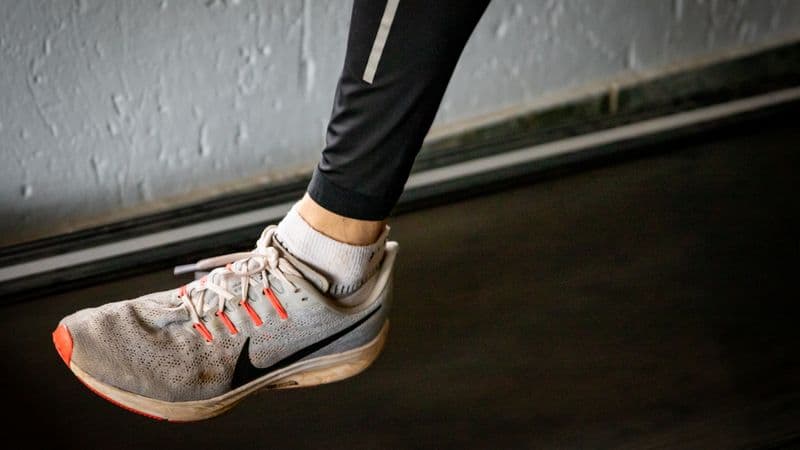
Walking pads went from niche gadget to work-from-home staple in about three years, and the question now comes up constantly: is a walking pad worth it, or is it just a flat clothes rack in waiting? It is one of the most polarizing buys in home fitness: daily users swear it quietly transformed their health, while a sizable minority shove theirs under the bed within a month. The difference is almost never the machine — it is whether your day actually has a slot for slow walking. This guide gives you a straight verdict by user type, the real trade-offs, and the best time of year to buy one.
Is a walking pad worth it? The short answer by user type
Worth-it questions rarely have one answer, and this one splits cleanly by how you would actually use the thing. Find yourself in the table below and you have your verdict in ten seconds — the rest of the article explains the reasoning.
| User | Worth it? | Better option |
|---|---|---|
| Remote or hybrid desk worker | Yes | This is the ideal use case — buy one |
| Runner or structured-cardio trainer | No | A full treadmill with speed and incline |
| Apartment dweller with no gear space | Yes | A pad is the only cardio machine that fits |
| Incline or hill-hiking trainer | No | An incline treadmill — pads are flat |
| “I might use it sometimes” browser | Maybe | Walk outside for a month first, then decide |
- Worth it?
- Yes
- Better option
- This is the ideal use case — buy one
- Worth it?
- No
- Better option
- A full treadmill with speed and incline
- Worth it?
- Yes
- Better option
- A pad is the only cardio machine that fits
- Worth it?
- No
- Better option
- An incline treadmill — pads are flat
- Worth it?
- Maybe
- Better option
- Walk outside for a month first, then decide
Verdicts assume typical budget-to-midrange pads in the $120–$400 range.
Notice the pattern: the verdict tracks your routine, not your fitness goals. A walking pad is a habit machine. If the habit slot exists — hours already spent at a desk or in front of a TV — it works. If you are hoping the purchase itself will create the habit, history is not on your side.
The real benefits (backed by daily-use reality)
The core benefit is that steps happen without an appointment. Every other cardio option asks you to carve out dedicated time — change clothes, go somewhere, come back, shower. A walking pad piggybacks on time you have already committed to something else. An hour of email at 2 mph is roughly 5,000 steps that cost you nothing extra. Stack two or three of those blocks into a week and you have quietly doubled the activity level of a typical desk worker.
The physiology backs this up. Slow walking burns about two to three times the calories of sitting, keeps blood sugar steadier after meals, and breaks up the long sedentary stretches that research keeps flagging as an independent health risk — even for people who exercise. None of that requires speed. The 1.5–2.5 mph range where most people can still type comfortably is exactly where these benefits live.
The practical wins matter just as much. A pad weighs a fraction of a treadmill, stores flat under a couch or bed, and most models are quiet enough that nobody on your video call will know. There is no assembly, no dedicated room, and almost no joint impact. For anyone easing back into movement after a sedentary stretch or an injury, that low-impact, low-stakes entry point is the whole appeal.
The “while doing something else” rule
The honest downsides nobody mentions
Start with the belt: it is short and narrow compared to a treadmill, which feels fine at 2 mph and increasingly sketchy as speed climbs. There is no incline on true pads, no console, and usually no handrail, so entertainment, tracking, and balance support are all on you. Typing accuracy takes a real hit for the first week or two — most people adapt for email and calls, but precision work like design or coding at speed may never feel natural while walking.
The hardware has quiet limits, too. Budget pads use small motors that are happiest under an hour of continuous use at moderate load; run them hard all day and heat becomes the enemy. The belt needs a few drops of silicone lubricant every month or two — a five-minute chore most owners skip, and the one that shortens a pad’s life more than anything else. And warranty support from the rotating cast of budget brands ranges from fine to functionally nonexistent, which is worth pricing into a $150 purchase.
Weight ratings are optimistic
Walking pad vs treadmill: the $ decision
The money question is where most buyers get stuck, so here is the clean framing. A decent walking pad costs $120–$400. A real treadmill worth owning starts around $500 and climbs past $2,000. The treadmill buys you incline, running speeds, a cushioned deck, handrails, and a console — genuine capabilities, but only valuable if you will use them. Paying triple for running capability you never touch is the most common mistake in this category, and it cuts both ways: buying a pad and then discovering you want to train for a 5K means buying twice.
The 2-in-1 models split the difference with a folding handrail and jogging speeds up to around 7–8 mph. They are a fair compromise for light joggers, but be honest about the physics: a short, narrow belt with a small motor is a jogging accessory, not a running machine. If running is a real goal, price out a proper treadmill first — our guide to the best time to buy a treadmill shows how to take hundreds off one by timing the purchase, which shrinks the price gap more than you might expect.
The best walking pads to start with
If the verdict above says buy, you do not need to overthink the model. Two picks cover most first-time buyers.
UREVO 2-in-1 — the flexible pick
The UREVO 2-in-1 is the sensible default if you want a little headroom. With the handrail folded down it is a standard under-desk pad; raised, it unlocks jogging speeds for the days you want more than a stroll. It is the pick if you are not yet sure walking is all you will ever do.
Check UREVO 2-in-1 price on Amazon
Sperax — the budget desk pick
The Sperax is the no-frills answer for pure desk walking: flat, quiet, remote-controlled, and routinely one of the cheapest reliable pads on the market. If your plan is 2 mph during meetings and nothing else, this is all the machine you need.
Check Sperax walking pad price on Amazon
Want more options, weight capacities, and belt-size comparisons? Our full roundup of the best walking pads under $200 covers the whole budget field.
When to buy one
Walking pads are a heavily discounted category, so paying full price is almost always a timing mistake. The two deepest windows are Prime Day in July and Black Friday through Cyber Monday, when the major budget brands routinely drop 30–40% and solid pads land under $150. Amazon’s October Prime event usually reruns similar pricing, and Labor Day has become a reliable shoulder window as fitness brands clear inventory — see our roundup of Labor Day fitness equipment sales for what typically drops. The one window to avoid is early January, when New Year demand spikes and discounts quietly evaporate.
The verdict
So, is a walking pad worth it? For desk workers who will actually walk two or more hours a week while doing something else, yes — emphatically. It is cheap, it stores anywhere, and it converts already-committed sitting time into thousands of steps with almost no willpower required. It is not worth it for runners, incline trainers, or anyone with the space and budget for a full treadmill, and it will not save the buyer hoping the purchase itself will conjure a habit. Match the machine to your real routine, start with a proven budget model, and buy during Prime Day or Black Friday pricing — do that, and a walking pad is one of the highest value-per-dollar purchases in home fitness.